
.webp)







1. Are Your Permit Drawings Fully Coordinated?
This question should be asked before the permit submission, not after. A fully coordinated permit set means that structural, mechanical, electrical, and civil drawings have been reviewed against each other for conflicts, that openings in the structure are accounted for, that equipment locations align across disciplines, and that the specifications match the drawings. Ask your engineer to confirm coordination has been completed and what process they used — whether BIM coordination, overlay review, or interdisciplinary coordination meetings. An honest answer to this question will tell you a great deal about the quality of what you're about to build.
2. What Is the Field Review Schedule, and Who Will Be Doing Reviews?
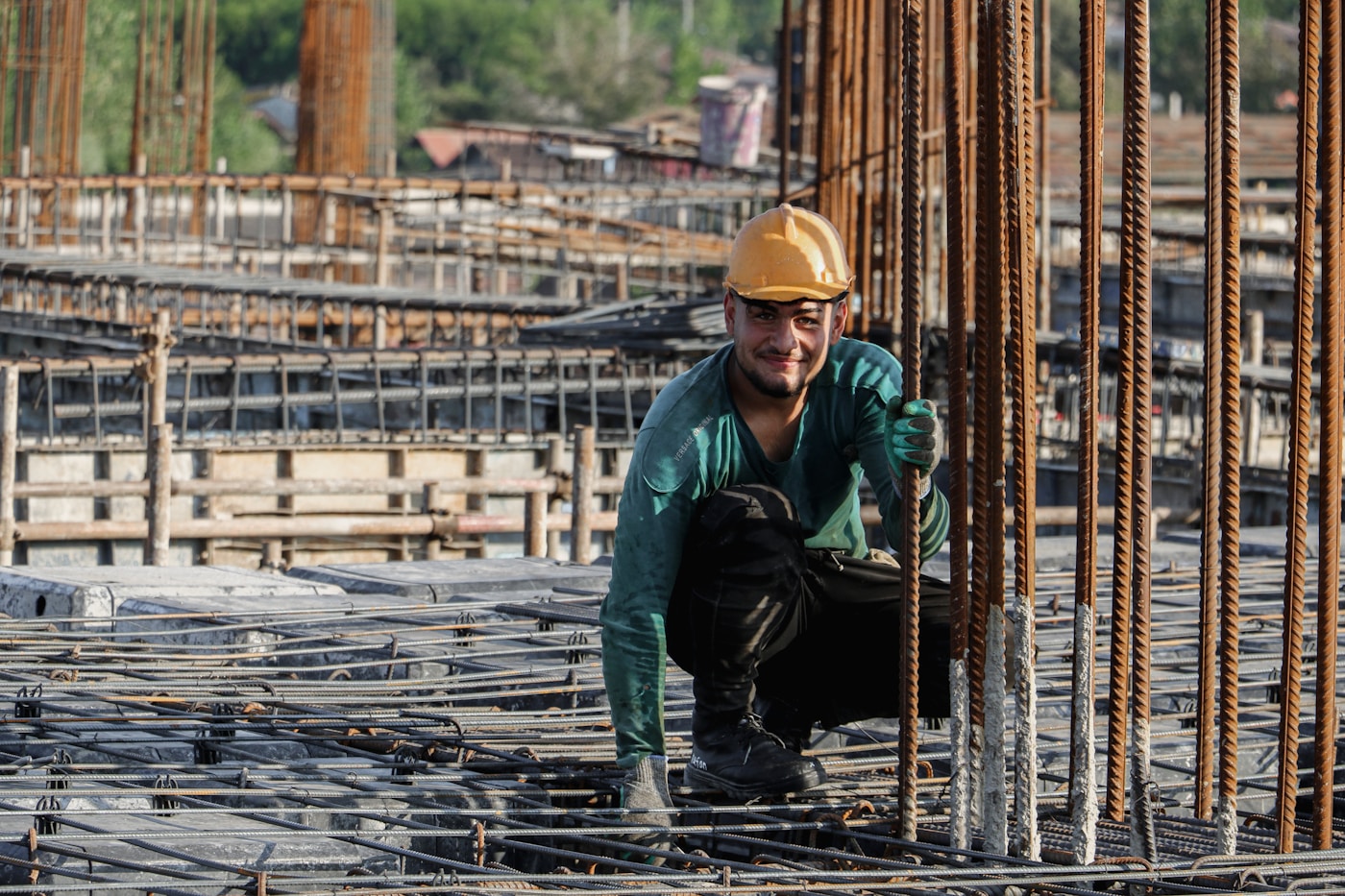
Field reviews are how the Engineer of Record confirms that construction conforms to the design. The frequency, scope, and personnel involved vary widely between firms and projects. Ask your engineer: How many site visits are planned? Who specifically will conduct them — the EOR, a junior engineer, or a technician? What triggers an unscheduled visit? For complex or high-consequence elements such as foundations, structural connections, and mechanical equipment installation, you want the answer to include named individuals with appropriate experience — not a generic commitment to "monitor construction."
2. How Will Design Changes Be Managed?
Changes are inevitable during construction. The question is whether they will be managed with appropriate professional oversight or informally, in ways that compromise the design intent and erode the EOR's accountability. Establish with your engineer at the outset: What is the process for reviewing contractor-proposed substitutions? Who has authority to approve changes? How will approved changes be documented and distributed? A clear change management process prevents the informal drift that causes buildings to be built differently than they were designed.
4. Are There Any Outstanding Design Issues We Should Know About?
Permit-issued drawings sometimes contain deferred items — design elements that were not fully resolved before the permit was issued, typically because they depend on contractor submittals or supplier selections. Ask your engineer directly what deferred items exist, when resolution is expected, and what the construction sequence implications are. Discovering deferred structural connection details or unresolved mechanical equipment specifications after a contractor has mobilized is a predictable source of delay and additional cost.
5. What Are the Highest-Risk Elements of This Project?
Every project has elements that carry more risk than others — unusual structural conditions, tight mechanical coordination zones, first-of-type systems, complex sequencing requirements. Ask your engineer to identify these elements and describe their mitigation strategy. An engineering team that has thought carefully about project risk and can articulate that thinking clearly is one that is prepared to manage it.
The Value of Asking Hard Questions Early
These questions are not challenges to your engineering team's competence — they are the kind of questions a well-prepared engineering team should welcome. The firms that answer them clearly and specifically are the ones most likely to deliver your project on schedule, within budget, and to the standard of performance you need.
At Design Works Engineering, we believe transparent, direct communication with building owners and their teams is the foundation of successful project delivery. Contact us to discuss how we approach construction-phase engineering services on projects like yours.