


Walk alongside.
Build together.
Our commitments On lands cared for by Indigenous peoples
since time immemorial.
A responsibility, not a footnote.
Boreal forestDesign Works Engineering / Indigenous relations
Reconciliation
Reconciliation isn’t a box to check; it shapes how we engage, design, and build.
Design Works Engineering operates on lands across Canada that have been cared for by Indigenous peoples since time immemorial. The infrastructure, buildings, and environments we help create exist within a deeper cultural and historical context — and we treat that as a responsibility, not a footnote.
Where we work
The lands
we work on.
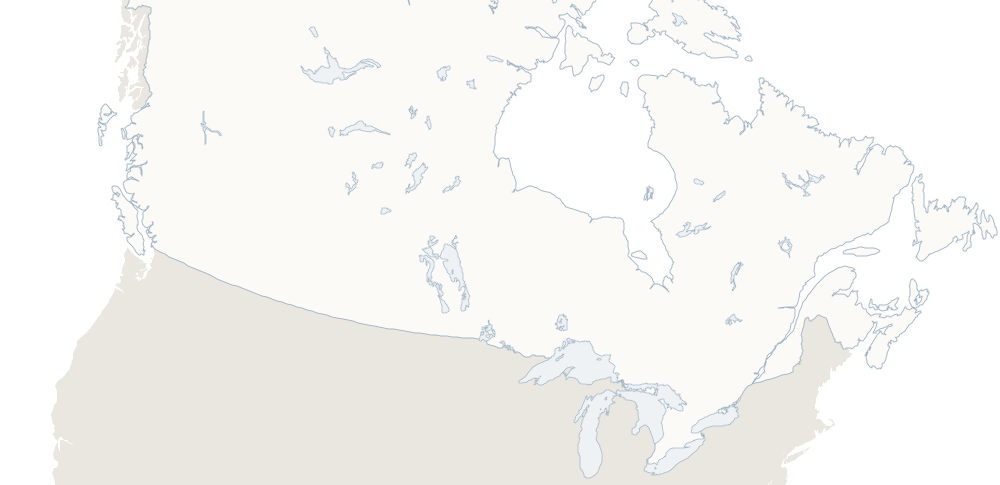
Each of our Canadian offices stands on Indigenous lands: treaty territory in some places, land that was never ceded in others. Here they are, west to east, in each city’s own published words.
Comox BC
K’ómoks First NationUnceded
“The Town of Comox respectfully acknowledges that we gather and work on the unceded traditional territory of the K’ómoks First Nation, the traditional keepers of this land.”
Town of Comox (opens in a new tab)
NamedK’ómoks First Nation
Vancouver BC
xʷməθkʷəy̓əm (Musqueam), Sḵwx̱wú7mesh (Squamish) and səlilwətaɬ (Tsleil-Waututh) NationsUnceded
“The City of Vancouver acknowledges that it is situated on the unceded traditional territories of the xʷməθkʷəy̓əm (Musqueam), Sḵwx̱wú7mesh Úxwumixw (Squamish Nation), and səlilwətaɬ (Tsleil-Waututh) Nations.”
City of Vancouver (opens in a new tab)
Namedxʷməθkʷəy̓əm (Musqueam) · Sḵwx̱wú7mesh Úxwumixw (Squamish Nation) · səlilwətaɬ (Tsleil-Waututh)
Kelowna BC
syilx/Okanagan territoryUnceded
“Kelowna is located on the traditional, ancestral, unceded territory of the syilx/Okanagan people.”
City of Kelowna (opens in a new tab)
Namedsyilx/Okanagan people
Grande Prairie AB
Treaty 8 territory
“The City respectfully acknowledges the Beaver, Cree, Dene, and Métis people as the original caretakers of these Lands and surrounding areas. We are grateful to live, learn, work and play on Treaty 8 territory within Turtle Island…”
City of Grande Prairie (opens in a new tab)
NamedBeaver · Cree · Dene · Métis · Duncan’s First Nation · Horse Lake First Nation · Sturgeon Lake Cree Nation
Edmonton AB
Treaty Six Territory
“The City of Edmonton acknowledges the traditional land on which we reside, is in Treaty Six Territory.”
City of Edmonton (opens in a new tab)
Namednêhiyaw / Cree · Dene · Anishinaabe / Saulteaux · Nakota Isga / Nakota Sioux · Niitsitapi / Blackfoot · Métis · Inuit
Calgary AB
Treaty 7 territory
“We appreciate and acknowledge that we are gathered on the ancestral and traditional territory of the Blackfoot Nations, the Îethka Nakoda Wîcastabi First Nations and the Tsuut’ina First Nation and the homeland of the Métis - the Otipemisiwak.”
City of Calgary (opens in a new tab) · Treaty 7 (1877), Government of Canada (opens in a new tab)
NamedSiksika · Piikani · Kainai · Chiniki · Bearspaw · Goodstoney · Tsuut’ina · Métis – Otipemisiwak
Regina SK
Treaty 4 Territory
“The City of Regina acknowledges we are on the traditional lands of the Treaty 4 Territory, a Treaty signed with 35 First Nations across Southern Saskatchewan and parts of Alberta and Manitoba, and the original lands of the Cree, Saulteaux, Dakota, Nakota, Lakota, and the homeland of the Métis.”
City of Regina (opens in a new tab)
NamedCree · Saulteaux · Dakota · Nakota · Lakota · Métis
Burlington ON
Treaty Lands and Territory of the Mississaugas of the Credit
“The territory is mutually covered by the Dish with One Spoon Wampum Belt Covenant… We acknowledge that the land on which we gather is part of the Treaty Lands and Territory of the Mississaugas of the Credit.”
City of Burlington (opens in a new tab)
NamedAnishinaabeg · Haudenosaunee · Métis · Mississaugas of the Credit
Toronto ON
Treaty 13 and the Williams Treaties
“The City of Toronto acknowledges that we are on the traditional territory of many nations including the Mississaugas of the Credit, the Anishnabeg, the Chippewa, the Haudenosaunee and the Wendat peoples and is now home to many diverse First Nations, Inuit and Métis peoples. The City also acknowledges that Toronto is covered by Treaty 13 signed with the Mississaugas of the Credit, and the Williams Treaties signed with multiple Mississaugas and Chippewa bands.”
City of Toronto (opens in a new tab)
NamedMississaugas of the Credit · Anishnabeg · Chippewa · Haudenosaunee · Wendat
Ottawa ON
Anishinabe Algonquin territoryUnceded
“Ottawa is built on un-ceded Anishinabe Algonquin territory. The peoples of the Anishinabe Algonquin Nation have lived on this territory for millennia.”
City of Ottawa (opens in a new tab)
NamedAnishinabe Algonquin Nation
Halifax NS
Office in Dartmouth, Halifax Regional Municipality
Mi’kma’ki
“The Halifax Regional Municipality is located in Mi’kma’ki, the ancestral and traditional lands of the Mi’kmaw people. The municipality acknowledges the Peace and Friendship Treaties signed in this Territory and recognizes that we are all Treaty People.”
Halifax Regional Municipality (opens in a new tab) · Peace and Friendship Treaties, Government of Canada (opens in a new tab)
“Under the Peace and Friendship Treaties of 1760 and 1761 in the Maritimes, the Mi'kmaq, Maliseet and Passamaquoddy signatories did not surrender rights to lands or resources.” Government of Canada
NamedMi’kmaw people
Acknowledgements are quoted from each municipality’s own published wording, in its spelling, and sources were checked on 20 October 2026. Territories overlap and do not follow city limits; many Nations’ lands extend far beyond these points, and Nations describe their own territories best. The map marks our offices, not territorial boundaries.
The call we answer
Call to Action 92:
Business and Reconciliation.
We call upon the corporate sector in Canada to adopt the United Nations Declaration on the Rights of Indigenous Peoples as a reconciliation framework and to apply its principles, norms, and standards to corporate policy and core operational activities involving Indigenous peoples and their lands and resources. This would include, but not be limited to, the following:
Commit to meaningful consultation, building respectful relationships, and obtaining the free, prior, and informed consent of Indigenous peoples before proceeding with economic development projects.
Ensure that Aboriginal peoples have equitable access to jobs, training, and education opportunities in the corporate sector, and that Aboriginal communities gain long-term sustainable benefits from economic development projects.
Provide education for management and staff on the history of Aboriginal peoples, including the history and legacy of residential schools, the United Nations Declaration on the Rights of Indigenous Peoples, Treaties and Aboriginal rights, Indigenous law, and Aboriginal–Crown relations. This will require skills based training in intercultural competency, conflict resolution, human rights, and anti-racism.
Truth and Reconciliation Commission of Canada, Calls to Action (2015).
What we commit to
Four commitments.
One way of working.
Made in alignment with Call to Action 92, and held to the communities we work with.
Our commitments to reconciliation
We are committed to building respectful, long-term relationships with First Nations, Métis, and Inuit communities — grounded in trust, transparency, and a genuine willingness to listen and learn. In alignment with the Truth and Reconciliation Commission of Canada’s Call to Action 92, we commit to:
- Meaningful engagement with Indigenous communities on projects that affect their lands and people
- Educating our leadership and staff on Indigenous history, rights, and cultural awareness
- Supporting Indigenous-owned businesses through procurement and partnership
- Respecting Indigenous rights, self-determination, and community priorities
Respecting culture and tradition
We understand that every Nation and community has its own protocols, governance structures, and traditions. Our approach is to follow community guidance in all aspects of engagement, including:
- Seeking direction from Elders and Knowledge Keepers
- Honouring ceremony, language, and cultural practices
- Protecting sacred, cultural, and environmentally sensitive areas
- Incorporating Traditional Knowledge where communities wish it to inform design and planning
- Ensuring project schedules and processes respect community timelines and priorities
A community-first approach
Too often
- Key decisions
- Design
- Construction
- Engagement
Too often in our industry, engagement begins after key decisions have already been made.
How we work
- Engagement
- Key decisions
- Design
- Construction
We aim to work differently.
Our firm is committed to early involvement with Indigenous partners so that:
- Community needs shape concepts from the outset
- Designs reflect local identity and tradition
- Budgets consider full life-cycle impacts on community operations
- Outcomes contribute to social and economic resilience
Whether the project is a recreation or healing centre, housing, or a public facility, the goal is the same: infrastructure that strengthens communities while respecting the lands it’s built on.
Building internal understanding
To support these commitments, we are investing in:
- Indigenous cultural awareness training for all employees
- Leadership education on UNDRIP and Indigenous rights
- Engagement guidelines that prioritize respectful communication and accountability
Reconciliation requires more than good intentions. It requires informed people and consistent action.
Looking forward together
Reconciliation is
an ongoing process.
We don’t claim to have all the answers — but we are committed to being active participants in positive change.
Our role is to walk alongside Indigenous communities as partners — helping translate community visions into functional, sustainable, and safe infrastructure that honours tradition while serving future generations.