
.webp)
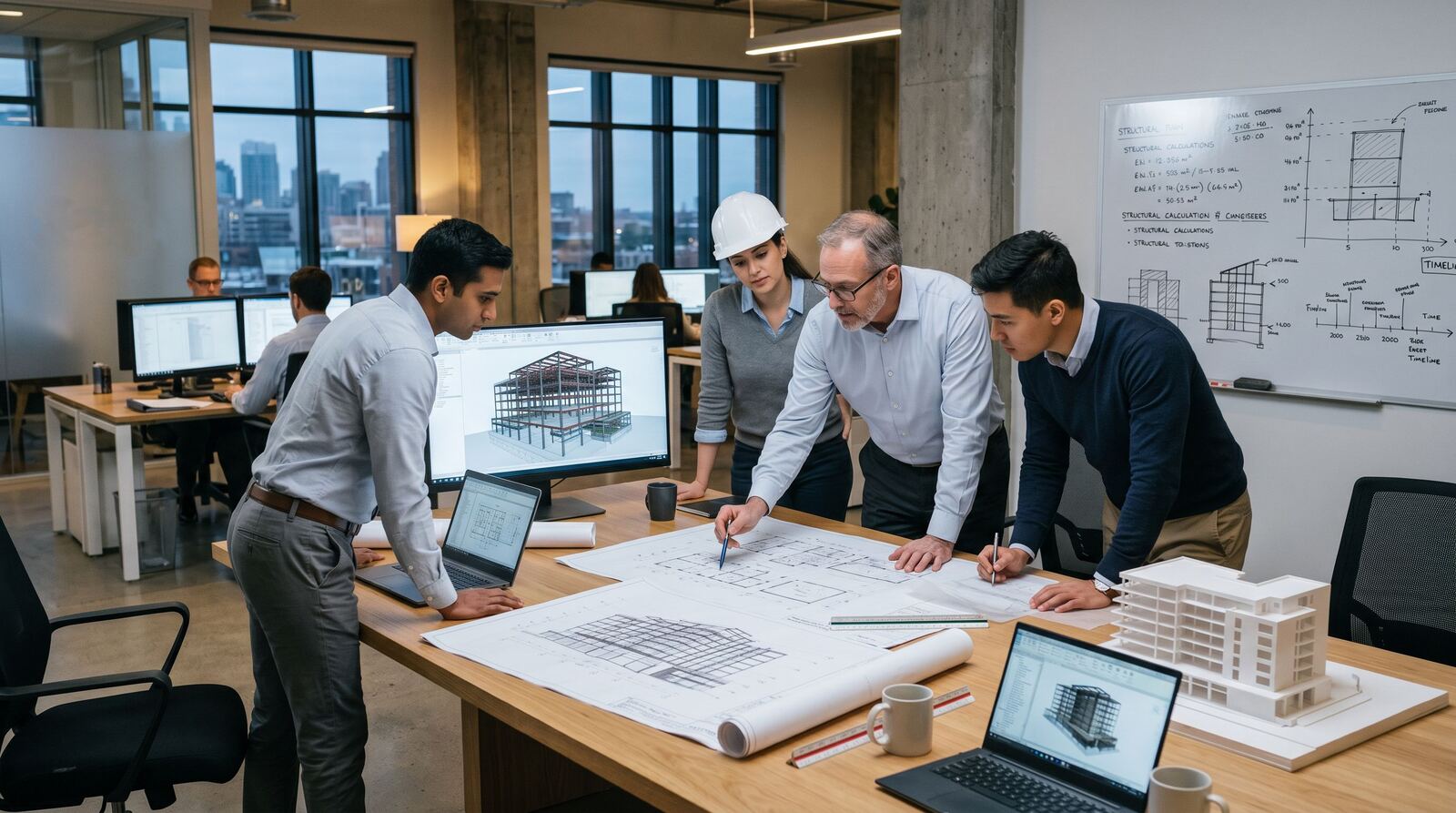






Start Planning Your 2026 Now
Now is when the real work begins.
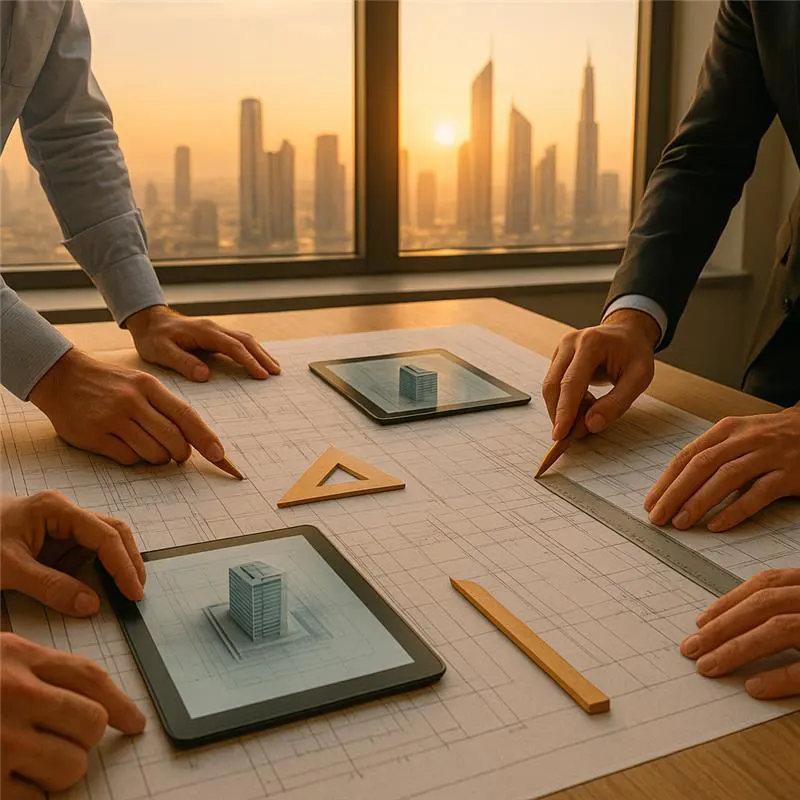
If you’re thinking about a 2026 project, now is when the real work actually begins.
On paper, 2026 construction season feels comfortably far away. In reality, the projects that deliver on schedule and budget two years from now are already being shaped today — often quietly, long before permits are submitted or construction pricing is requested.
What we’re seeing more frequently isn’t projects failing because of construction execution, but because of early assumptions that don’t survive first contact with reality.
Municipal approvals are a major part of that risk.
Permitting timelines are becoming less predictable, review cycles are longer, and interpretations between departments — and even individual reviewers — can change mid-stream. Zoning allowances, servicing capacities, energy requirements, and life safety expectations are often clarified only after significant design effort has already been invested. When those clarifications come late, they rarely come cheaply.
Starting early isn’t about producing drawings sooner. It’s about creating time to absorb friction.
Early coordination between ownership, consultants, contractors, and municipalities allows teams to:
- Validate zoning, density, and servicing assumptions before they’re embedded in layouts
- Identify municipal concerns early, when solutions are still flexible
- Align energy performance targets with what local authorities will actually approve
- Anticipate long review cycles, resubmissions, and shifting interpretations
- Plan procurement around long-lead items rather than reacting to them
We’re also seeing more projects impacted by winter constraints, delayed site investigations, and supply-chain uncertainty — all of which compound when early decisions are deferred. Once schematic design is rushed, every phase that follows inherits that pressure.
The projects that struggle in 2026 will likely be the ones that treated early planning as a formality — something to —get through — so things could move faster later. The projects that succeed will be the ones that used this time to reduce uncertainty, align expectations, and make informed trade-offs while change was still inexpensive.
Good projects don’t start at groundbreaking.
They start when teams take the time early — so they aren’t forced to rush when it matters most.
Haydar says: After years of working through approvals, redesigns, and late-stage course corrections, one thing has become clear: time spent early is rarely wasted — but time lost later is almost always expensive.